
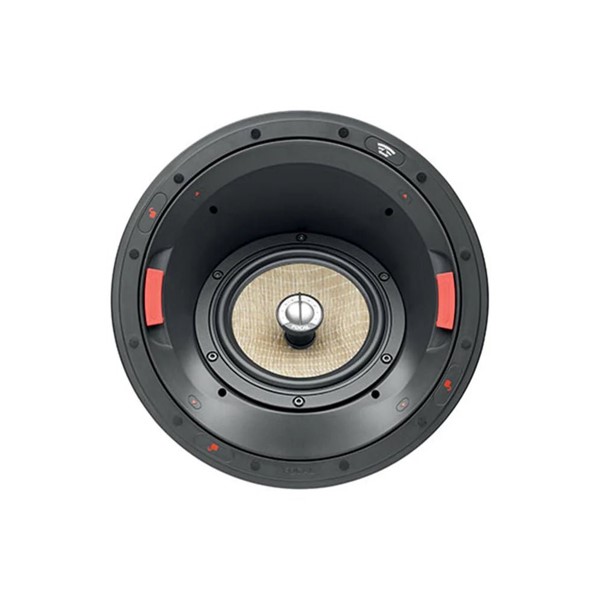
A modern home audio system should deliver impressive sound without requiring visible equipment throughout every room. Ceiling-mounted designs offer a practical solution for homeowners who want discreet entertainment technology while preserving valuable floor and wall space. Installing in-ceiling speakers requires careful planning because ceiling construction, speaker positioning, and amplifier compatibility directly influence performance. Unlike freestanding models, architectural loudspeakers become part of the building itself. Understanding installation requirements before purchasing helps us avoid expensive modifications and create an audio system suited to everyday listening and cinematic entertainment.
Identify Your Primary Listening Requirements
Different rooms create different expectations for ceiling-mounted audio. Kitchens and dining areas often benefit from evenly distributed background music, while dedicated theaters require precise sound positioning for immersive effects. Bedrooms and multipurpose spaces may prioritize comfortable listening at moderate volumes. We should establish whether the speakers will reproduce stereo music, surround effects, or overhead Dolby Atmos channels before choosing equipment. This distinction matters because each application involves different placement considerations. Selecting an appropriate configuration from the beginning reduces unnecessary installation changes and helps maintain consistent audio coverage.
Inspect Ceiling Structure Before Installation
Ceiling construction determines whether a particular speaker can be installed safely. Joists, insulation, electrical wiring, plumbing, and ventilation ducts can restrict available mounting locations. We should inspect the proposed installation areas and verify sufficient clearance behind the finished ceiling surface. Manufacturer specifications identify required cutout dimensions and mounting depths, which vary considerably between products. For example, the Focal 100 ICW5 requires approximately 92 millimeters of installation depth. Accurate measurements help prevent structural interference, damaged building services, and costly adjustments after ceiling openings have been created.
Select Speakers With Suitable Specifications
Choosing ceiling-mounted home audio speakers involves examining driver design, frequency response, impedance, sensitivity, and intended applications. Manufacturers such as Focal, JBL, Perlisten Audio, and Sonos provide options for different installation requirements. Focal’s 300 ICA6 features an angled design suited to certain immersive audio applications, while Perlisten’s R2ic supports multiple home cinema configurations. We should compare mounting dimensions and amplifier recommendations alongside acoustic specifications. Premium components may deliver sophisticated performance, but correct application and installation remain essential for achieving satisfying results.
Plan Placement For Balanced Coverage
Speaker positioning strongly influences the consistency of sound across a room. For distributed music systems, we should consider furniture arrangements, listening areas, ceiling height, and the number of speakers required. Wide spacing may create noticeable differences in volume, while poorly positioned speakers can direct excessive sound toward unoccupied areas. Home theater installations require additional attention because overhead effects should originate from appropriate locations relative to the seating arrangement. Following manufacturer guidance and relevant immersive audio layout recommendations helps create convincing results without relying on unnecessary speaker quantities.
Match Amplification With Speaker Requirements
Most architectural loudspeakers are passive components that require compatible amplification. Selecting an appropriate amplifier involves reviewing impedance, recommended power ranges, channel capacity, and the intended listening volume. Some systems use dedicated stereo amplifiers, while larger installations incorporate multichannel receivers or centralized distribution equipment. We should confirm whether the chosen configuration supports independent audio zones when different rooms need separate playback controls. Incorrect electrical matching can affect performance or damage equipment. Suitable wiring, connection practices, and manufacturer-approved operating conditions help support dependable long-term sound reproduction throughout the property.
Prepare Wiring And Mounting Carefully
Successful installation requires planning cable routes before creating permanent ceiling openings. Speaker wire should meet applicable building requirements, and pathways must avoid electrical hazards, plumbing, and unsuitable structural modifications. Certain ceilings may also require approved back boxes or fire-rated installation solutions, depending on local regulations. Focal offers selected models with mounting systems designed to simplify installation and magnetic grilles that provide discreet finishes. We should verify each product’s instructions and test connections before securing the loudspeakers. Professional installation is advisable whenever structural or electrical conditions are uncertain.
Conclusion
Architectural audio can transform residential entertainment by combining practical space management with sophisticated sound reproduction. Achieving reliable results requires accurate ceiling measurements, suitable equipment selection, thoughtful placement, and careful installation procedures. Homeowners exploring solutions through epicsystems.tech can compare established manufacturers and equipment designed for different listening environments. Before beginning ceiling modifications, preparing a detailed room plan and reviewing component compatibility with an experienced audio installation specialist can help prevent unnecessary expenses. This approach creates a dependable foundation for entertainment systems that complement both current lifestyles and future household needs.
Frequently Asked Questions
Q1. Can ceiling speakers provide Dolby Atmos overhead effects?
Yes, when their placement and the receiver or processor configuration suit the chosen immersive audio layout.
Q2. What measurements are required before cutting a ceiling?
Verify cutout diameter, mounting depth, joist spacing and clearance from wiring, plumbing and ducts.
Q3. Can in-ceiling speakers be installed in every ceiling?
No. Structural, fire-safety, acoustic and access limitations may require changes or a different installation approach.
Q4. Do ceiling speakers need a separate amplifier?
Most passive models do. Confirm impedance, channel count and recommended amplification for the selected products.
Q5. Should we test speakers before closing the installation?
Yes. Confirm wiring, channel assignment, secure mounting and normal operation before final finishing.
