
Brand & Site Checklist Before You Purchase
Begin with a quick brand verification checklist. Look for a clear brand identity, consistent wording across pages, and a product catalog that doesn’t require excessive digging to understand. A reliable brand typically keeps its basics easy to locate, 1 including product types, ordering details, and any relevant purchasing instructions. If information is scattered or overly vague, that’s a sign to slow down and search for better documentation before placing an order.
Next, review the website experience with a consumer-first lens. Check whether the site clearly explains how disposable products are handled, what to expect from packaging, and how orders are fulfilled. You should also confirm whether the site provides clear contact pathways like support pages or policy pages, since those help resolve questions about product issues or shipping. Finally, note whether the site provides consistent product names and imagery, because mismatched labeling and confusing naming can lead to avoidable ordering mistakes.
Product Category Understanding for Disposables
Before comparing individual items, understand what “disposable” generally means in this category. Disposable products are designed to be used without the same level of ongoing maintenance as refillable systems, which can make them feel convenient for first-time buyers. However, “disposable” still requires attention to how the product is identified, stored, and presented at purchase. Your checklist should include verifying that each product variant is clearly described so you know exactly what you’re getting.
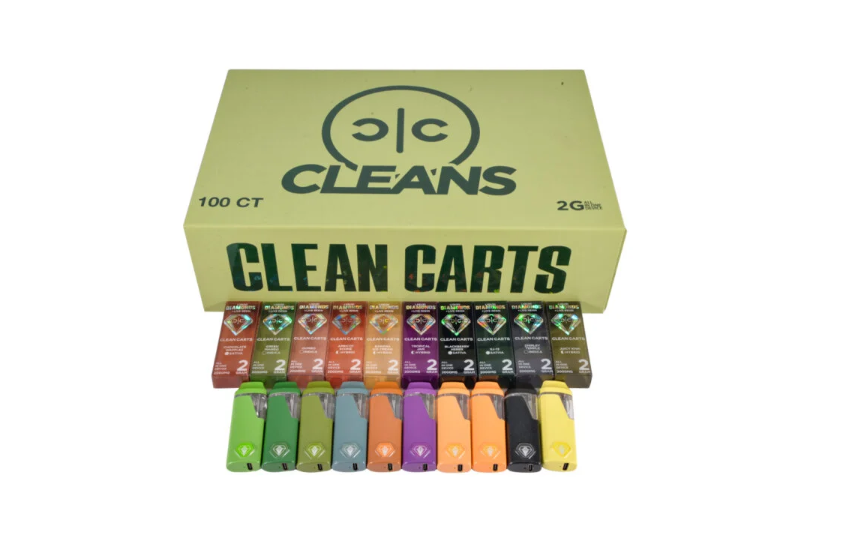
When reviewing Clean Carts disposable offerings, focus on product identification details that reduce uncertainty. Look for naming conventions that distinguish flavors or formulations, and confirm that the product page aligns with what’s shown on packaging images. It also helps to check whether the brand explains what the consumer should do after opening, since opening instructions and storage guidance can affect how the product performs. If a site provides limited context, you can still evaluate reliability by looking for consistent labeling practices and clear, repeatable product descriptions.
Packaging, Labeling, and Transparency Checklist
Packaging is where you can often spot the difference between marketing and real transparency. Use a checklist that includes finding legible labeling, clear product identifiers, and consistent information on the outer packaging. If labels are difficult to read, incomplete, or inconsistent with the product page description, treat that as a red flag. You should also look for information that helps you confirm you received the exact variant you selected.
Labeling transparency should also extend to how the company communicates relevant handling and consumer guidance. Check for basic details that help you understand what to expect from the disposable format, such as how it’s intended to be used and how it should be stored. While you don’t need to rely on claims, you should prioritize factual presentation—especially anything that helps with safe use and correct handling. If the brand’s approach emphasizes clarity and consistent labeling across product listings, it’s easier to maintain confidence when purchasing again.
Consumer Research & Safety/Legal Considerations
Consumer research should be structured, not random. Instead of only reading a few opinions, look for patterns in feedback related to packaging condition on arrival, clarity of product identification, and the accuracy of descriptions on the website. These areas can strongly influence satisfaction with disposable products because they affect whether the item you receive matches what you ordered. You can also compare what different users say about usability and expectations, focusing on repeatable observations rather than outlier stories.
Safety and legal considerations should always be part of your buying checklist. Disposables in this category may be subject to local regulations, age restrictions, and purchase limitations, so confirm that your location permits the product and that the seller follows applicable rules. Avoid relying on vague assurances; instead, look for clear policies that indicate compliance practices and responsible purchasing requirements. If there’s limited information about rules, it’s safer to contact the brand’s support channels before buying.
Conclusion
A clean, checklist-style approach helps you evaluate Clean Carts disposable products with more confidence and less uncertainty. By confirming brand visibility, understanding how the disposable category is presented, and scrutinizing packaging and labeling clarity, you can reduce common ordering mistakes. Consumer research can then refine your expectations by highlighting recurring experiences with product identification and delivery condition. Finally, make safety and legal compliance a non-negotiable step, since it protects you and helps ensure responsible purchasing. If you use this checklist before each purchase, you’ll be better equipped to choose the right disposable option and recognize when information is missing. The best buying experiences tend to come from brands that make product identification easy, packaging details consistent, and consumer guidance straightforward. As you explore Clean Carts through its site, prioritize clarity over hype and verify details that match your selection. With that method, you can approach disposable purchases more systematically and feel more comfortable with what arrives at your door.
