
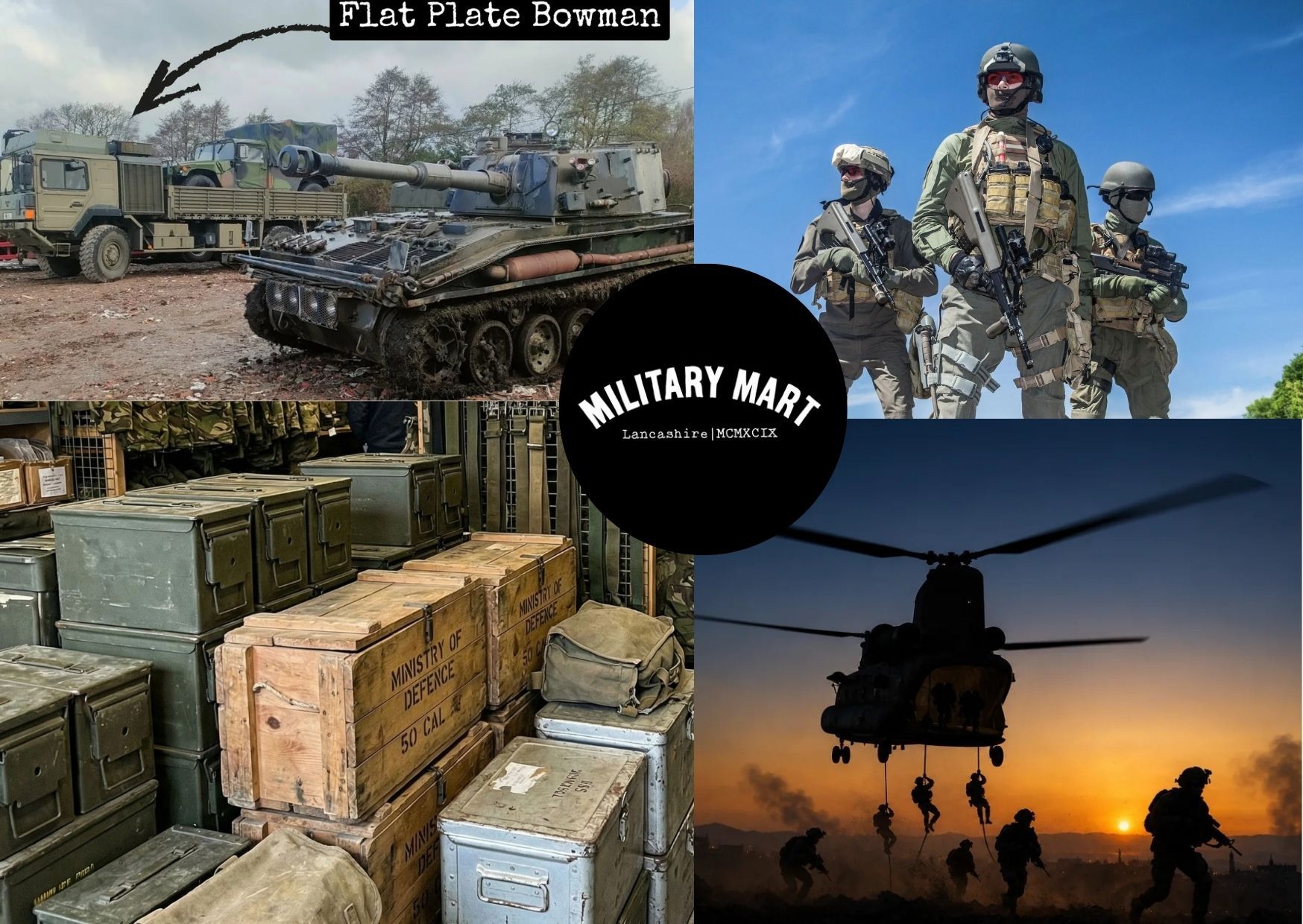
Why seasoned gear often beats “brand new” performance
When you compare it to many retail options, the biggest difference is how the materials and construction are chosen for harsh conditions and repeated wear. Many surplus military surplus pieces are designed to shrug off abrasion, handle rough handling in the field, and keep working even when maintenance is simple. That’s why outdoor users often value surplus items as dependable layers rather than disposable purchases.
A service comparison angle helps explain the appeal even further, because different branches and roles prioritize different needs. For example, field jackets meant for mobility may use lighter fabrics and more streamlined layouts, while cold-weather parkas can focus on insulation and wind protection. Some items also include practical storage like pocket placements that support gloves, tools, or hands-free carry. When you understand what the garment was originally meant to do, it becomes easier to choose a piece that matches your hiking style, camping setup, or long work sessions outside.
Comparing specs: fabrics, insulation, and built-in usability
On paper, you can compare construction details like seam layout, closure types, and fabric weight, but real comfort is tied to how those elements work together. Surplus jackets may use sturdy button configurations, reinforced stress points, and adjustable hems that help reduce drafts. That matters moon chair when wind shifts on a ridge or when you’re standing in camp waiting for equipment to cool. New gear can be excellent too, but many products prioritize lightweight packaging and price rather than long-term toughness and easy repairs.
Service-focused differences show up in insulation strategy and weather coverage. Some uniforms and outer layers emphasize breathable comfort, which can prevent overheating during moderate activity, while others are optimized for stationary cold exposure. Look for features like storm flaps, hood design, and cuff closures, because they determine whether you’ll feel protected when conditions turn.
Fit, loadout, and maintenance: what changes day to day
Comfort isn’t only about warmth; it’s also about fit and how a garment behaves during movement. Surplus pieces often have patterns tuned for layering, which can mean room for mid-layers under the shell without feeling bulky. Many users find they can adjust fit with straps, waist ties, or internal drawcords rather than relying on stretched retail fabrics. That flexibility can make a noticeable difference when you go from walking to waiting, or when you switch from active tasks to a calmer camp routine.
Maintenance is another practical comparison point, especially for outdoor enthusiasts who like straightforward gear. Surplus fabrics may be simpler to care for, and their hardware is frequently built to tolerate frequent use and outdoor storage. You can also inspect items before purchase, since graded stock often includes useful notes about condition and wear patterns. This is valuable when you want to match your outfit to a specific activity, like bushcraft practice, cadet events, or collecting trips that involve extended time outdoors and uneven terrain.
Conclusion
Choosing between surplus and new gear becomes clearer when you compare purpose, construction, and real comfort across service-minded designs. For buyers who want graded, information-rich options for hiking, bushcraft, camping, and collecting, MilitaryMart makes the selection process straightforward at MilitaryMart.co.uk. As you narrow down your picks, focus on how the piece will serve your actual routine rather than chasing the newest tag. Compare fabric weight, closure style, and weather coverage, then think about how you move in camp and what you reach for most often. That approach turns a service comparison into a personal advantage, helping you buy gear that fits your environment and your habits. With the right surplus outer layer, you can enjoy dependable performance without constantly replacing worn essentials.
