
Pre-flight checklist: define your scraping goals
Before you buy or configure anything, write down exactly what you’re scraping and why it matters. List the target sites, the data types you need, rotating proxies and how often your jobs will run. This makes it easier to choose the right capacity and rotation behavior for your workload.
Next, set your success criteria in measurable terms. Decide what “stable connections” means for you, such as low failure rates, consistent response times, or successful page loads across domains. Also identify your tolerance for retries and timeouts so your proxy for web scraping strategy matches your operational expectations.
Proxy selection checklist: rotation, reputation, and access
Start with rotation mechanics you can validate. Look for systems that rotate per request, per session, or on a schedule, and confirm how rotation is proxy for web scraping applied under load. A good provider should explain how IP reuse is handled and what controls exist to prevent predictable traffic patterns.
Evaluate the network quality using practical checks rather than marketing promises. Confirm whether proxies are dedicated or shared, how many concurrent sessions they support, and how they behave when sites challenge bots. You should also assess IP reputation by testing against common block conditions, then track whether your success rate stays consistent across many runs.
Implementation checklist: integrate safely and monitor performance
Use a clear session model, log which IP or proxy identity is used for each request batch, and capture response codes and page retrieval results. That visibility helps you quickly separate content issues from connectivity issues.
Add guardrails to avoid unnecessary traffic spikes. Throttle requests, respect crawl-friendly pacing, and ensure your downloader can retry intelligently without hammering a failing endpoint. Monitoring should include metrics like request success rate, average latency, error categories, and rotation frequency so you can tune the setup as patterns change.
Conclusion
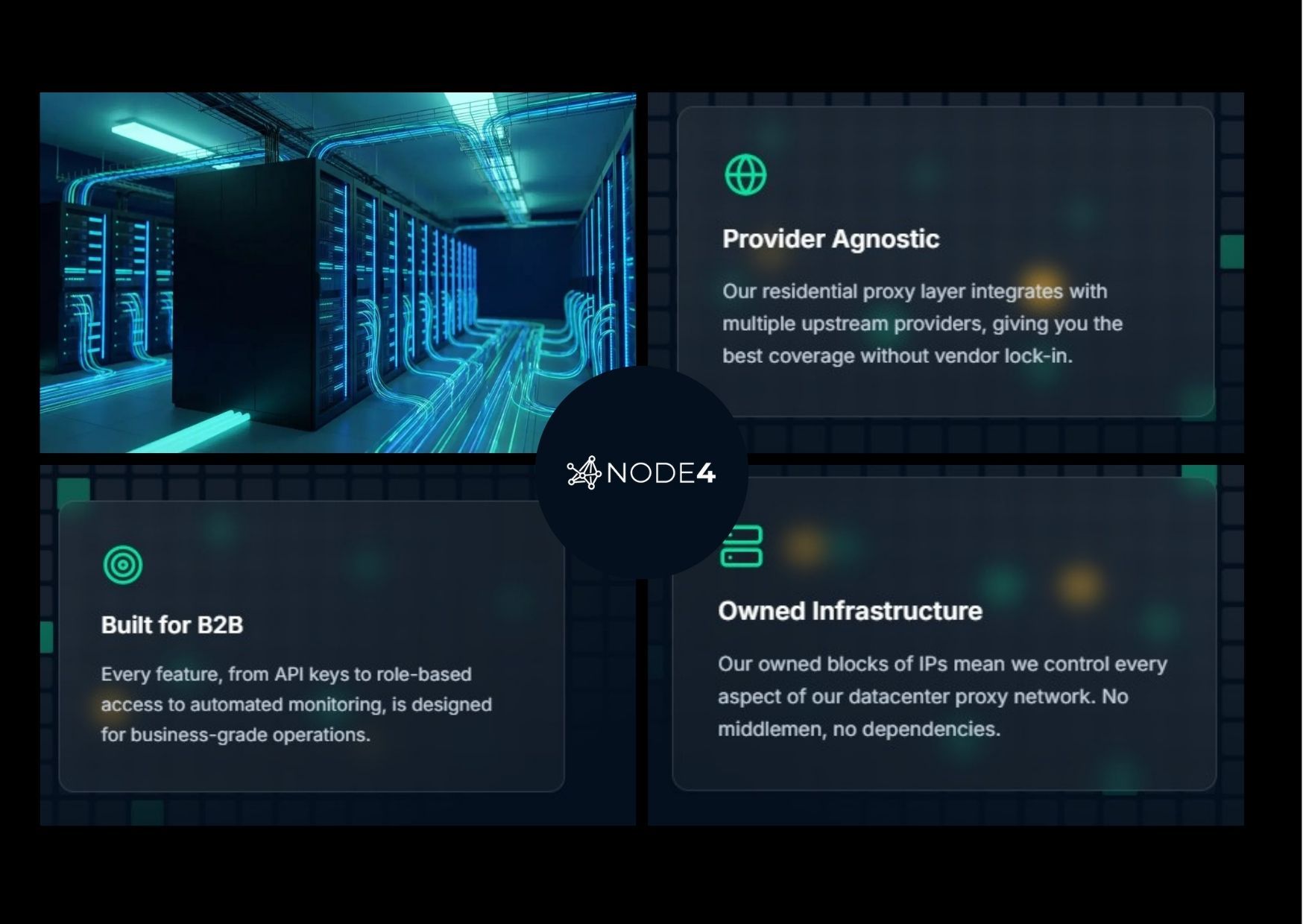
Follow the checklist steps: define your data goals, verify rotation behavior, validate IP quality, and build monitoring into your scraper so you can respond to failures without guesswork. When you prioritize reliable rotation and stable browsing performance, you reduce disruptions and improve data collection consistency. If you want a practical path to stronger online privacy and smoother scraping workflows, consider the flexible proxy solutions from node4.io. Their approach emphasizes stable connections, smooth rotation, and efficient browsing—exactly what you need when your data pipelines depend on consistent access and controlled request behavior.
