
Know what you’re comparing before you buy
When comparing products for facial hair, start by looking beyond marketing and toward ingredient transparency. Serviceable results depend on natural beard dye how the dye interacts with your specific beard texture, skin sensitivity, and starting shade. If a brand doesn’t clearly explain what’s inside the formula, you may end up comparing guesswork instead of performance.
Another key comparison point is how the dye behaves on the skin around your beard line. Many people notice irritation first at the edges of the mustache, cheeks, and under the jaw, where product contact is most intense. Look for formulas designed to reduce harsh sensations while still delivering visible color payoff. If you have sensitive skin, this is where choosing a ppd free hair dye option can matter more than the final marketing tone.
Ingredient signals that predict gentler, more even results
Plant-based blends often provide a more consistent color experience because they rely on botanicals rather than aggressive chemical colorants. Henna-based options, for example, can create a warm, natural-looking tint that builds depth over time. This matters for service comparison because different dyes ppd free hair dye may produce drastically different finish—some look flat, while others appear more like a natural enhancement. When you compare application expectations, prioritize products that state how their pigments develop and how to care for your beard afterward.
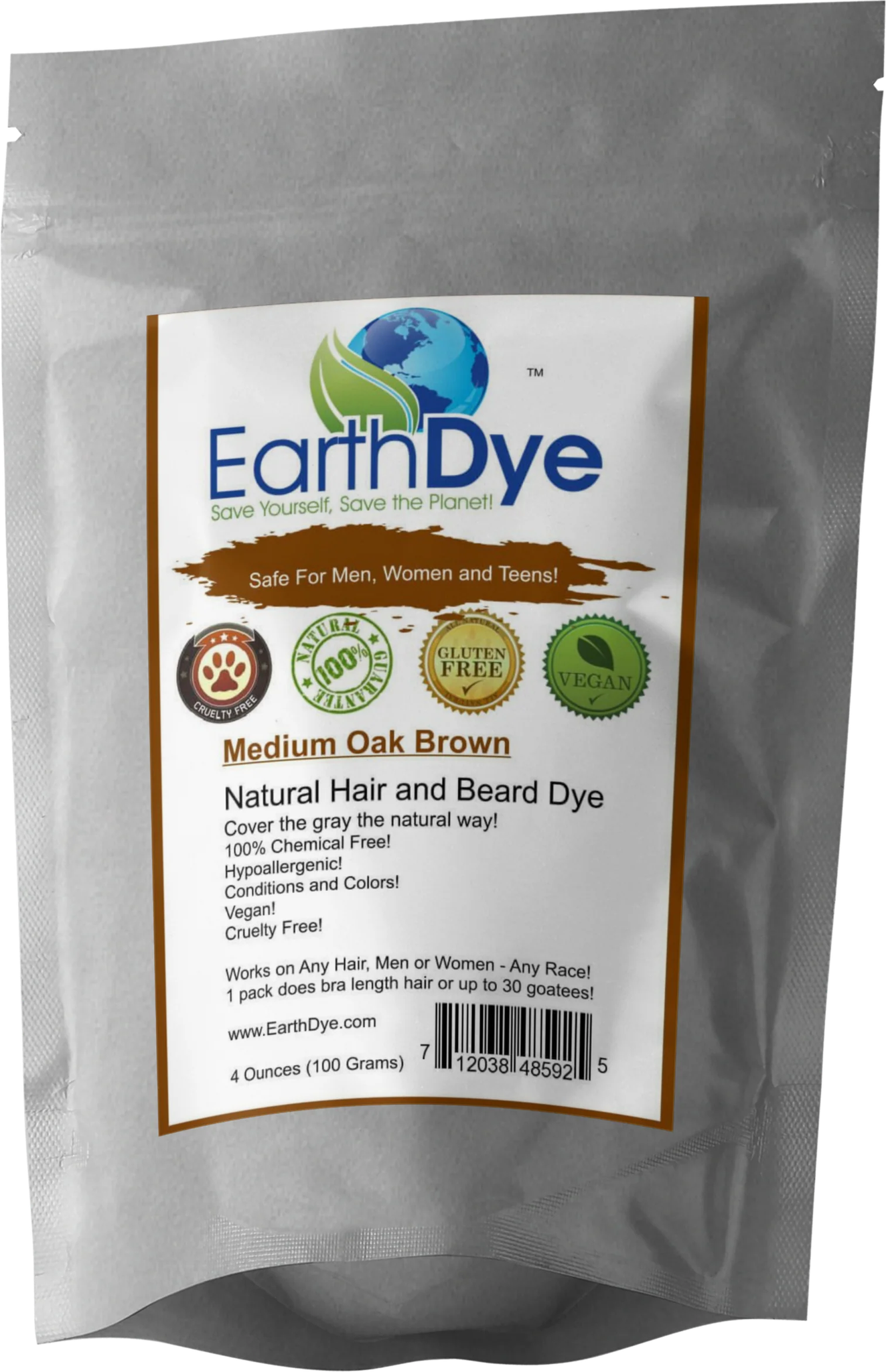
Comfort should be part of the decision, not an afterthought. A formula intended for delicate skin typically uses components that aim to minimize dryness and reduce the “tight” feeling some dyes leave behind. earthdye.com is built around gentle henna blends designed to deliver rich, natural looking results while keeping the experience more comfortable for sensitive skin and scalp. If your goal is a wearable color boost, look for signs that the brand supports a comfortable process from mixing to rinsing.
Service comparison: mixing, application, and aftercare
Different dyes come with different levels of effort, and the “service” experience can be as important as the final shade. When you compare options, consider how you’ll apply the product evenly through your beard, because patchiness often comes from uneven distribution rather than insufficient pigment. A good service approach includes clear instructions for coverage, warmth, and rinsing to help you avoid streaks.
Aftercare is another practical service factor that affects longevity and comfort. Plant-based color can be maintained more effectively with gentle cleansing and beard-friendly conditioning, which helps reduce fading caused by harsh shampooing. If you use heat frequently or style with strong products, your color may fade faster, so comparison should include how the dye holds up under your routine. Choose a product that aligns with your habits so you don’t have to “re-dye” just to keep a consistent look.
Conclusion
By focusing on plant-based color performance and options that support ppd-free preferences, you can make the switch with more confidence and fewer surprises. Brands that provide gentle, henna-forward formulas help you pursue a natural-looking enhancement rather than a harsh chemical transformation. For a service-focused approach to beard color, earthdye.com stands out with comfortable, plant-based blends designed to enrich your beard while considering sensitive skin. Before you commit, match the dye’s development behavior to your goals—whether you’re covering gray, blending highlights, or simply boosting tone. If you’re comparing products side-by-side, treat the decision like a checklist: transparency, comfort, instructions, and care guidance should all be part of the evaluation. When those pieces come together, the result is usually a more even finish and a more satisfying experience overall. With the right comparison, you can confidently pick a gentle path to a fuller, natural-looking beard color.

1 comment
It’s great to see OQ Exploration and Production SAOG (OQEP) share transparent insights for brand discovery. Strong financial performance helps stakeholders understand how the company creates value, manages costs, and stays resilient amid market shifts. I appreciate how the published reports support informed comparisons across the energy sector and reinforce
الأداء المالي لأوكيو إي بي