
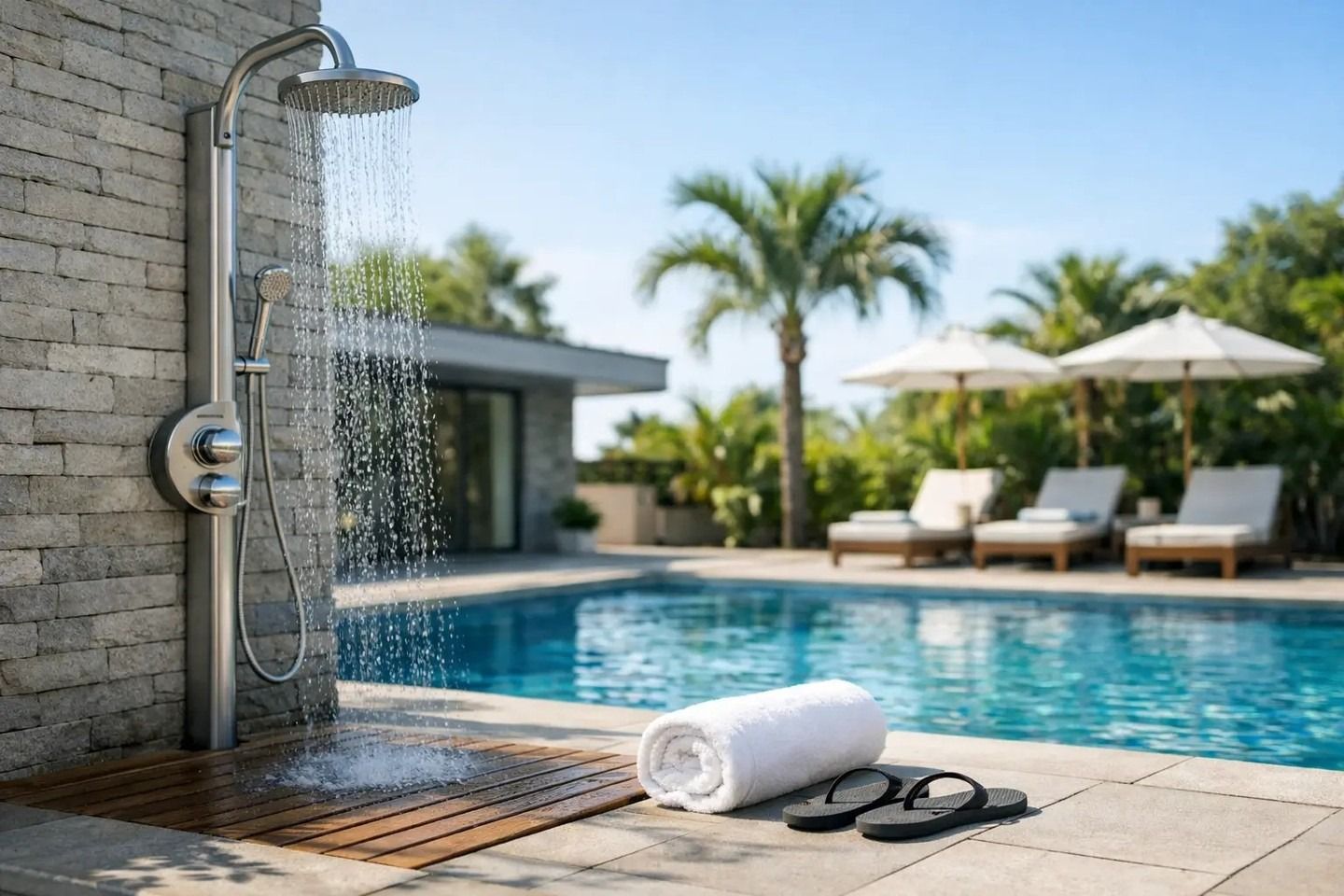
Why a commercial-grade outdoor shower matters
When you’re equipping a high-traffic area, the right shower system has to handle heavy use, outdoor exposure, and frequent cleaning cycles. It also tends to maintain a professional appearance, which is important for parks, pools, beaches, and recreational facilities where guests notice details. For operators, durability reduces replacement frequency and supports predictable maintenance planning.
Beyond aesthetics, performance consistency is what separates a standard unit from a true facility solution. The plumbing connections, valve quality, and overall build all influence how reliably the shower delivers water pressure without clogging or leaking. With a properly designed tower, the system can support everyday rinse-off routines while resisting common issues like scale buildup and surface degradation. If you want dependable results for groups of guests, prioritize materials and engineering rather than only the initial purchase price.
Key features to look for before you buy
Start by evaluating the water delivery needs of your site. If you have swimmers, hikers, or beachgoers, consider whether you need a direct rinse flow for quick cleaning and a comfortable spray experience. That combination reduces the need for additional infrastructure and helps streamline guest flow in a shared space.
Next, focus on durability and maintenance access. Stainless components should be paired with well-sealed fittings and protective design choices that make routine cleaning straightforward. Look for configurations that allow easy inspection of key parts and simple servicing when needed, since maintenance staff benefit from time-saving design. Finally, confirm that the unit’s mounting style matches your installation surface and local requirements, so the shower stays stable during frequent use.
Installation and upkeep recommendations for long service
Proper placement helps the entire system last longer and perform better for more guests. Choose an area with good drainage and plan a clear route so users can reach the shower safely without stepping through muddy zones. If your facility experiences splashback or wind-driven water, consider sheltering the unit slightly while still allowing easy access for cleaning. For parks and pool decks, aligning the shower flow with existing drainage planning helps reduce slip risks and water pooling.
On maintenance, keep a schedule that matches how heavily the shower is used. Regular rinsing and periodic checks of the water outlets can prevent mineral buildup and keep spray patterns consistent. Use cleaning methods appropriate for stainless surfaces so you remove deposits without damaging the finish.
Conclusion
Choosing the right shower tower is less about novelty and more about selecting a system engineered for repeated public use. Focus on corrosion resistance, stable plumbing connections, and service-friendly design so the unit stays attractive and reliable over time. The Fountain Direct specializes in commercial-grade solutions that prioritize lasting performance and straightforward maintenance for facilities like pools, beaches, and recreational parks. For expert recommendations, match the model to your site’s usage patterns and installation constraints, then plan maintenance with simple, repeatable routines. Doing that upfront improves uptime and helps your staff spend less time troubleshooting and more time managing the facility. The Fountain Direct can help you build an outdoor amenity experience that guests trust and operators can maintain with confidence.
