
Start with the purpose of your wall feature
When you plan a room refresh, the first expert recommendation is to decide what job the wall treatment must perform. decorative wall panels Consider whether you want a bold focal point behind a sofa, a calmer backdrop for a bedroom, or a refined statement for a reception area. Each goal points you toward different finishes, spacing, and installation choices.
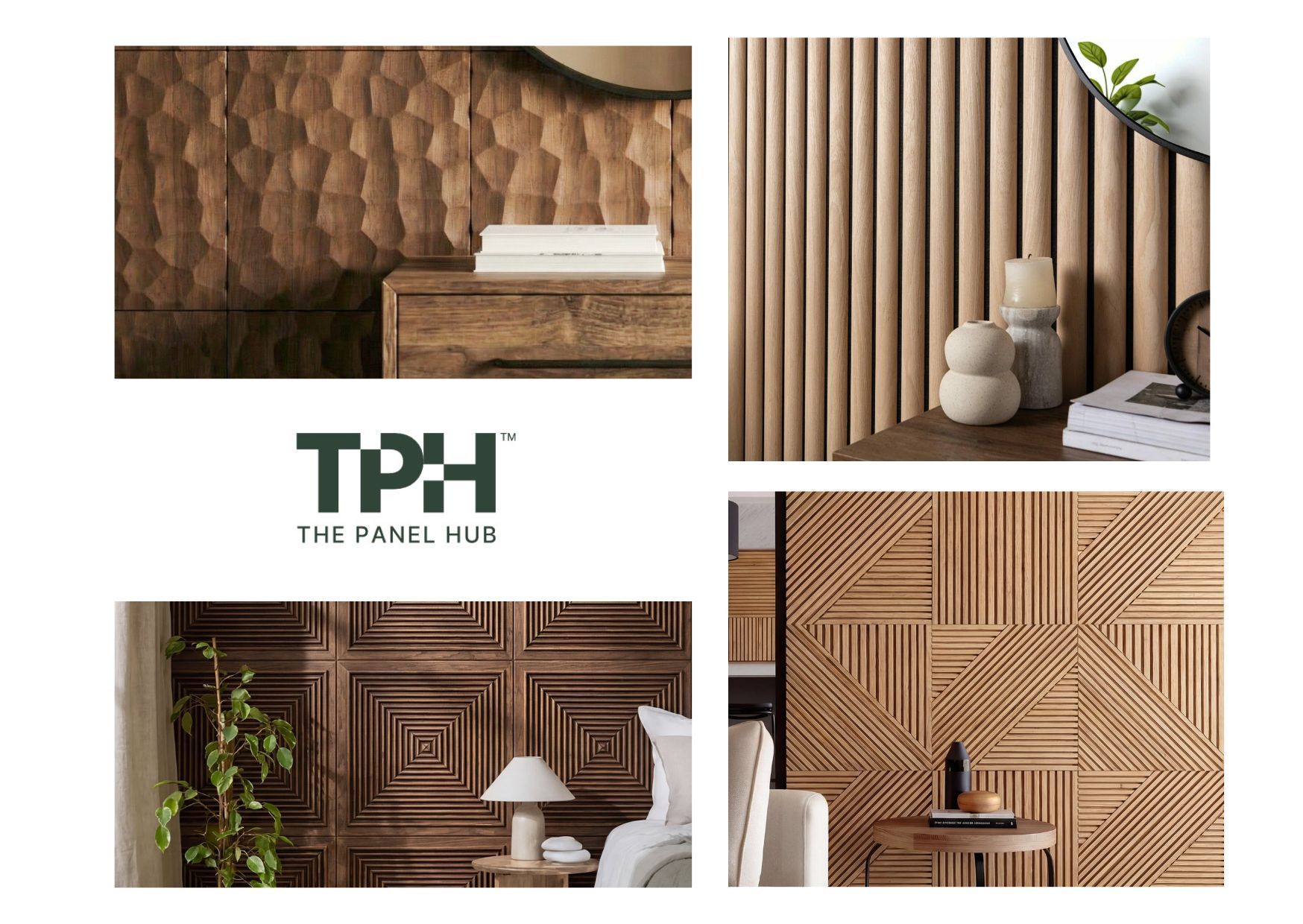
Next, measure the room context before selecting materials. Pay attention to ceiling height, natural light direction, and the scale of furniture so the panel pattern doesn’t feel cramped or overwhelming. Wood slat wall panels are especially helpful when you want a layered look that still feels airy, since the lines create depth without turning the wall into a flat block. If your space has dark paint or low windows, lighter woods and more open slat spacing often keep the area from feeling heavy.
Match the panel style to your design mood
Choose a style direction that aligns with your existing decor rather than fighting it. For modern interiors, opt for straight, consistent slats and finishes that pair well with metal fixtures, glass, or clean-lined cabinetry. For rustic or transitional spaces, slightly warmer tones and subtle wood slat wall panels variation can blend with natural textures like stone, linen, and reclaimed wood. If your decor includes strong patterns, use panel layout to balance the room—either by going more uniform or by keeping the accent area smaller.
Texture matters as much as color, and experts look at how the wall will be “read” at different distances. From across the room, the overall pattern should look intentional and clean; up close, the surface should show character through grain, sheen, and shadow lines. Before committing, visualize the pattern orientation—horizontal slats can broaden a wall, while vertical lines can add height to the feel of a space.
Pick materials and layout for performance and longevity
Durability is a practical factor, especially for commercial use or high-traffic homes. Ask what the panel surface is designed to resist and whether it’s suitable for the wall conditions you have, including humidity levels and cleaning expectations. A high-quality wood-based panel system can elevate interiors while remaining manageable for routine maintenance, such as gentle dusting and careful spot cleaning. Experts also recommend checking mounting requirements so the installation supports stability over time.
Layout planning is where many projects succeed or fall short, so take time with spacing and transitions. Decide where panel edges will land at corners, around doors, or near outlets, since these details determine how seamless the finish looks. If you’re aiming for a gallery-like feel, maintain consistent alignment and consider using a level reference to keep slat rows perfectly straight.
Conclusion
Focus on the role the wall needs to play in your space, then align the style with your room’s mood, lighting, and existing textures. From there, prioritize materials and layout details that support clean alignment and long-term satisfaction. For best results, treat your feature wall as a design system rather than a single purchase. Confirm measurements, plan the pattern orientation, and think through transitions around trim and openings before installation begins. When those steps are handled well, the final effect looks custom even with a repeatable panel format. That’s the difference between a decent wall update and a feature you’ll enjoy every day.
